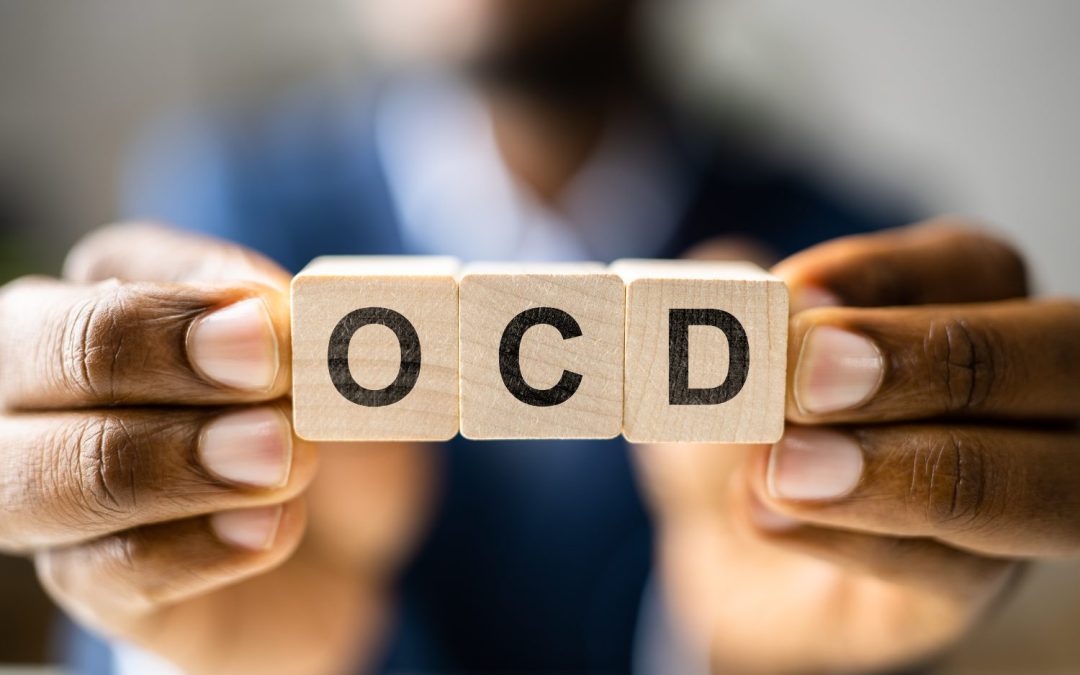
Obsessive-Compulsive Disorder (OCD) is characterized by persistent intrusive thoughts (obsessions) and repetitive behaviors (compulsions) aimed at relieving the anxiety these thoughts produce. These two components are interconnected—obsessions provoke distress, and...
The COVID-19 pandemic not only brought a major health crisis but also created long-lasting effects on how people use drugs and alcohol. Many turned to substances to cope with stress, isolation, and financial worries. Even though the worst of the pandemic has passed,...
Teenage mental health in the United States has reached critical levels, according to recent data from the Substance Abuse and Mental Health Services Administration (SAMHSA) and the National Institutes of Health (NIH). These agencies provide authoritative research that...
Club drugs are commonly used at events like raves, parties, concerts, and nightclubs, where high-energy environments, dancing, and elaborate light shows are central. These drugs are often taken to enhance sensory perception, sociability, and feelings of euphoria. Many...
Mental health issues like anxiety, depression, and eating disorders often begin in the teenage years. Early support can make a big difference, and research from the Substance Abuse and Mental Health Services Administration (SAMHSA) and the National Institutes of...
Alcohol addiction leads to various physical and psychological changes that make it increasingly difficult to control drinking habits or stop alcohol use. Chronic alcohol consumption alters brain chemistry and body function, leading to dependence. When alcohol is...
Dialectical Behavior Therapy (DBT) is a specialized form of cognitive-behavioral therapy (CBT) that emphasizes understanding and regulating emotions to influence thought patterns and behaviors. The term “dialectical” refers to the integration of two...
For some individuals, anxiety can become overwhelming and disruptive, interfering with daily life, relationships, and overall well-being. While anxiety is a normal emotional response to stress, intense or persistent symptoms may indicate an anxiety disorder. When...
Intensive Outpatient Programs (IOPs) are structured, non-residential treatment options recommended by medical and behavioral health professionals for individuals dealing with substance use disorders (SUDs). These programs serve as a critical level of care for those...
Alcohol is widely consumed in social and recreational settings across many cultures. While moderate drinking can be part of social life, excessive and prolonged alcohol use may develop into a serious medical condition known as Alcohol Use Disorder (AUD). Recognizing...