Causes, impacts, duration, warning signs, and evidence-based treatment options Article Reviewed and Edited by Randy Brazzel, MA, LPC, LMFT More Than the “Baby Blues” The weeks after childbirth can bring joy, exhaustion, uncertainty, and rapid physical change....
Article Reviewed and Edited by Randy Brazzel, MA, LPC, LMFT Artificial intelligence has changed the way many people think about getting mental health support. Instead of waiting for an appointment, paying for a session, or explaining your situation to another person,...
Article Reviewed and Edited by Randy Brazzel, MA, LPC, LMFT Teenagers often experience intense emotions, shifting friendships, academic pressure, and a growing need for independence. While most navigate these changes reasonably well, some teens really struggle with...
Anxiety has become one of the most significant mental-health challenges facing adolescents, and its effects extend well beyond emotional distress. For some young people, anxiety interferes with concentration, sleep, relationships, classroom participation, attendance,...
Workplace conflict is unavoidable. Employees disagree about priorities, managers make decisions that staff members dislike, teams compete for resources, and people bring different personalities, expectations, and communication styles to the same organization. Not...
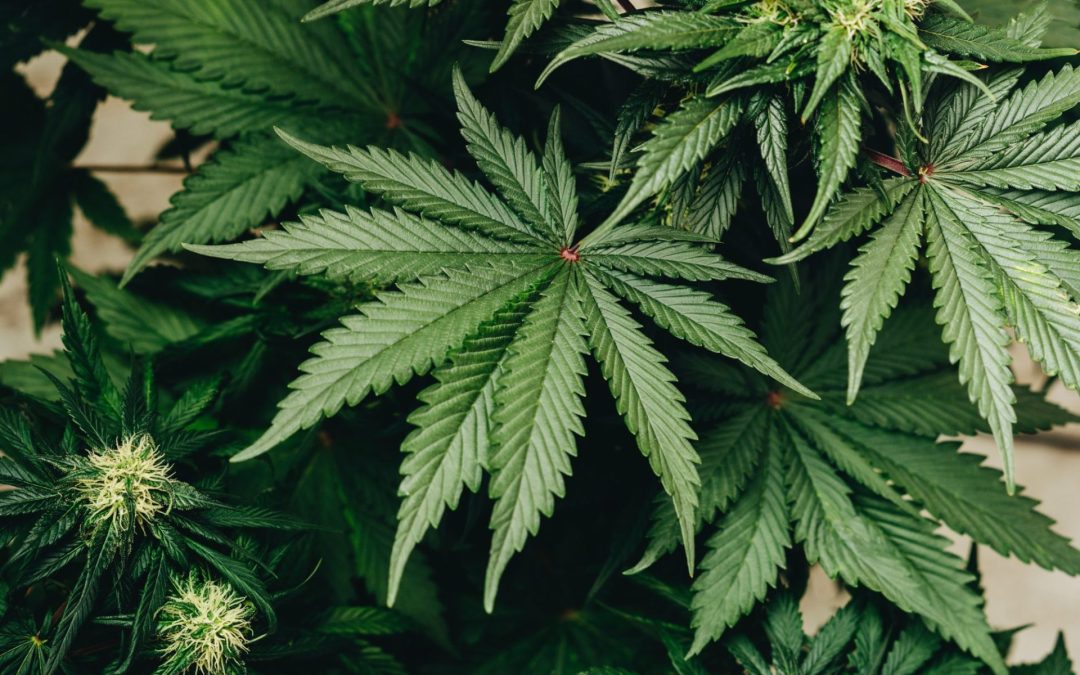
For years, the public conversation surrounding cannabis has focused heavily on legalization, commercialization, and its perception as a natural, low-risk remedy for stress. However, as cannabis dispensaries become a standard fixture in cities across the globe, mental...
Workplace burnout has moved from being viewed primarily as an individual problem to being understood increasingly as a work-environment and organizational-health issue. The latest research suggests that chronic excessive demands, low control, inadequate staffing, poor...
In an era where mental health challenges are at the forefront of public discourse, a powerful and ancient remedy is gaining renewed scientific attention: the presence of animals. Beyond the joy of a wagging tail or a soft purr, the relationship between humans and...
For decades, the mental health community recognized a group of survivors whose experiences didn’t quite fit the traditional mold of Post-Traumatic Stress Disorder (PTSD). While PTSD often stems from a single, life-threatening event, some individuals endure...
The teenage years are often characterized by a “perfect storm” of biological, social, and academic pressures. While a certain level of moodiness or late-night scrolling is viewed as a rite of passage, researchers at the National Institute of Mental Health...