
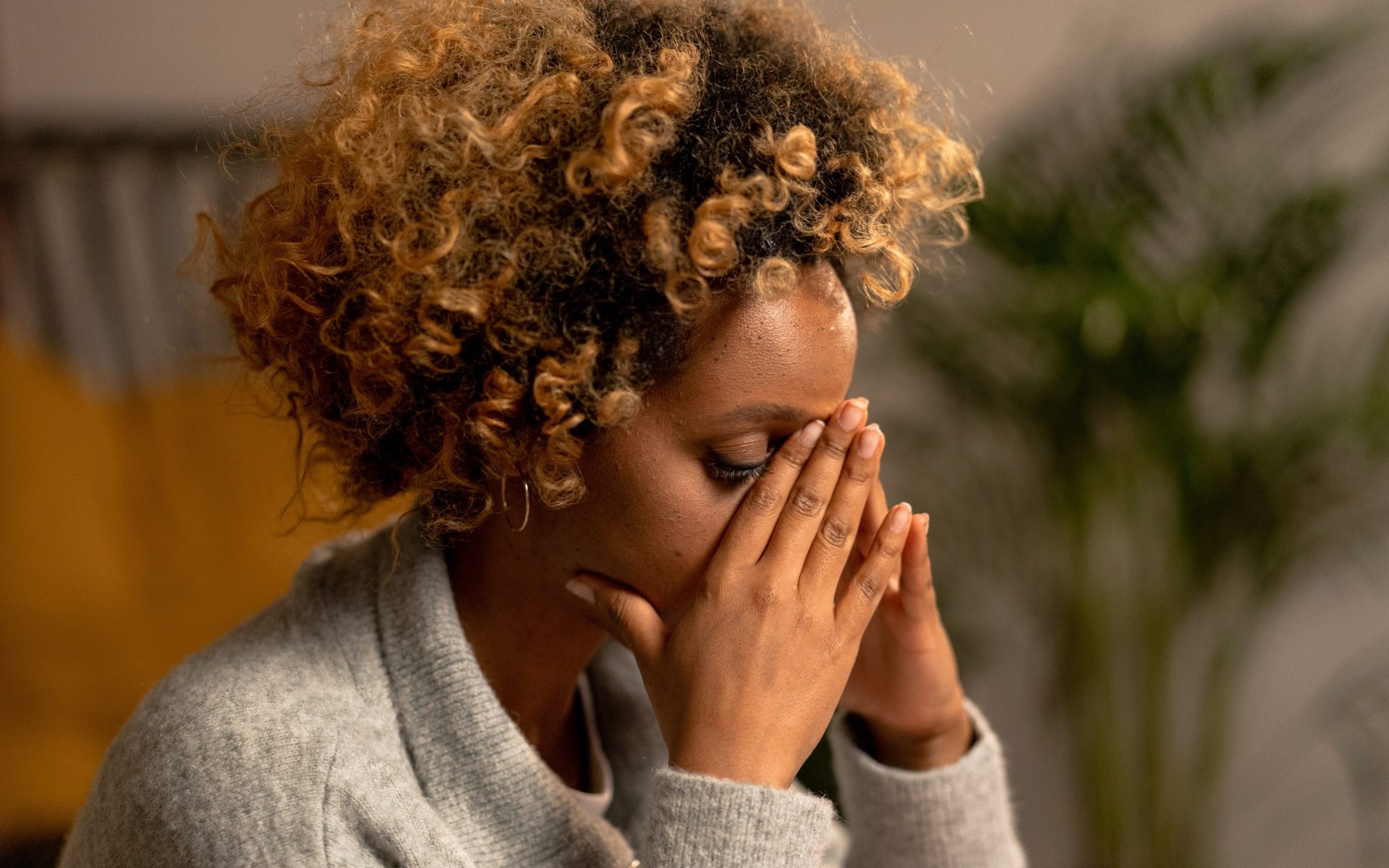
The holiday season—a time often associated with warmth, celebration, and togetherness—can also be a period of intense stress and emotional difficulty. For many, this time of year sees an increase in social gatherings where alcohol and other substances are prevalent, creating a heightened risk for misuse. For individuals already struggling with substance use, the pressure and emotional triggers of the holidays can exacerbate their condition. Understanding the causes, recognizing the symptoms of Substance Use Disorder (SUD), and knowing the available treatment options are crucial steps toward supporting ourselves and our loved ones during this time.
What Fuels Holiday Substance Use? (Causes)
Several factors converge during the holidays to increase the risk of substance abuse or relapse.
- Increased Stress and Financial Strain: The pressure to buy gifts, attend multiple events, and host family can lead to significant stress. Alcohol or drugs may be misused as a maladaptive way to cope with or temporarily escape these feelings (National Institute on Drug Abuse [NIDA], 2020).
- Emotional Triggers and Loneliness: For those who have experienced loss, family conflict, or who are geographically separated from loved ones, the holiday emphasis on “perfect” family moments can intensify feelings of loneliness, grief, or depression. Substances may be used to numb these painful emotions (Substance Abuse and Mental Health Services Administration [SAMHSA], 2021).
- Availability and Social Expectation: Holiday parties and events often feature an abundant supply of alcohol, contributing to a permissive environment where heavy drinking is normalized. For individuals in recovery, simply being in such an environment can pose a significant challenge (American Addiction Centers, 2023).
Recognizing the Warning Signs (Symptoms of SUD)
Substance Use Disorder (SUD) is a complex medical illness characterized by the compulsive use of a substance despite harmful consequences. The criteria for diagnosis are outlined in the Diagnostic and Statistical Manual of Mental Disorders, 5th Edition (DSM-5). While holiday overindulgence can happen, the pattern of substance use that constitutes an SUD is more serious.
According to the DSM-5, a person is diagnosed with a mild, moderate, or severe SUD based on meeting at least two of the following 11 criteria within a 12-month period. During the holidays, specific signs to watch for include:
- Using more than intended: Consuming more alcohol or drugs than a person planned at a holiday gathering.
- Failed attempts to cut down: Expressing a desire to limit use during the holidays but being unable to do so.
- Neglecting responsibilities: Missing holiday-related work, family, or personal obligations due to substance use or its effects (e.g., hangovers).
- Cravings: Having an intense desire or urge to use the substance, especially when triggered by holiday stressors or events.
- Continuing use despite harm: Continuing to use the substance even though it is causing problems with family, friends, or health (American Psychiatric Association [APA], 2013).
If a pattern of substance use starts to cause distress and impairment, it’s a sign that professional help is needed.
Pathway to Recovery (Treatment Options)
Substance use disorder is treatable, and the holiday season should not be a barrier to seeking help. Treatment typically involves a combination of strategies tailored to the individual.
- Detoxification (Detox): The first step for some is medically managed withdrawal to safely rid the body of the substance. This is particularly important for alcohol and certain sedatives where withdrawal can be life-threatening.
- Behavioral Therapies: These are the cornerstone of SUD treatment. Cognitive Behavioral Therapy (CBT) helps individuals recognize, avoid, and cope with situations that trigger substance use. Motivational Enhancement Therapy can help individuals resolve ambivalence and commit to changing their substance use behavior (NIDA, 2020).
- Medication-Assisted Treatment (MAT): For disorders involving alcohol or opioids, FDA-approved medications (e.g., naltrexone, buprenorphine) can help reduce cravings and prevent relapse.
- Mutual Support Groups: Groups like Alcoholics Anonymous (AA) and Narcotics Anonymous (NA) offer essential peer support and a structured program for long-term recovery, often hosting events and meetings specifically for the holidays to provide a sober environment (SAMHSA, 2021).
New Dimensions Can Help!
The holidays are a time to prioritize well-being. Recognizing the danger signs and encouraging treatment can be the greatest gift of health and hope we give to ourselves or a loved one. If you or someone you know is struggling, New Dimensions can help!
New Dimensions has intensive outpatient treatment programs for adolescents and adults with mental health or substance abuse issues. To learn more about our services, including Psychological Testing, Partial Hospitalization Programs (PHP), Intensive Outpatient Programs (IOP), and Interventions for Substance Abuse, contact us at 800-685-9796 or visit our website atwww.nddtreatment.com. To learn more about individual, family, and couples counseling, visitwww.mhthrive.com.
Reference Section
American Addiction Centers. (2023).Coping with Addiction During the Holidays. Retrieved fromhttps://americanaddictioncenters.org/alcohol-drug-hotline on 12/01/2025.
American Psychiatric Association (APA). (2013).Diagnostic and statistical manual of mental disorders (5th ed.). Arlington, VA: American Psychiatric Publishing.
National Institute on Drug Abuse (NIDA). (2020).Principles of Drug Addiction Treatment: A Research-Based Guide (Third Edition). National Institutes of Health. Retrieved fromhttps://nida.nih.gov on 12/1/2025.
Substance Abuse and Mental Health Services Administration (SAMHSA). (2021).Tips for Coping with Stress During the Holiday Season. HHS Publication No. PEP21-03-01-002. Rockville, MD: SAMHSA.