
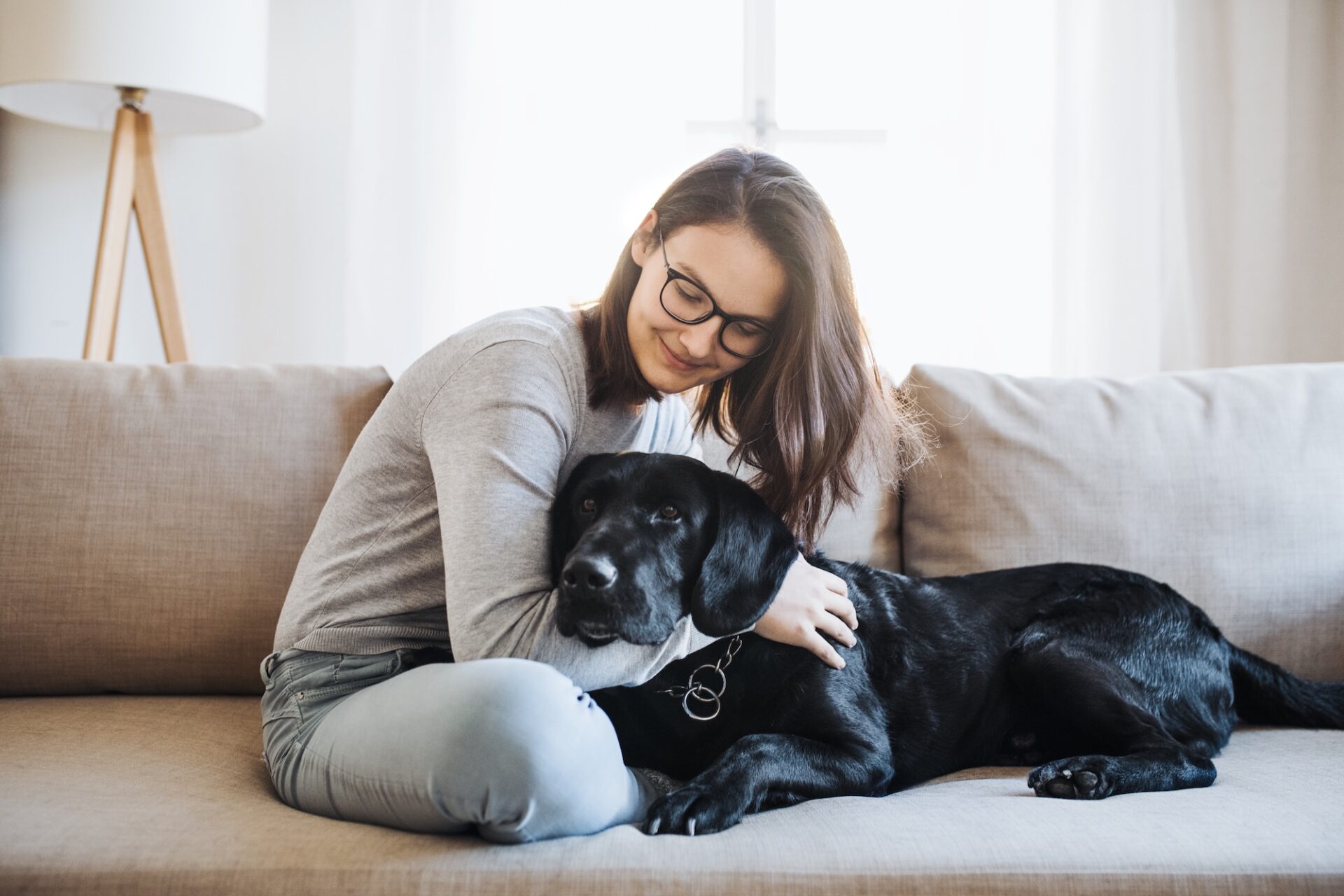
In an era where mental health challenges are at the forefront of public discourse, a powerful and ancient remedy is gaining renewed scientific attention: the presence of animals. Beyond the joy of a wagging tail or a soft purr, the relationship between humans and animals is increasingly recognized as a vital component of psychological resilience.
Research from 2025 and 2026 suggests that the “human-animal bond” is not just a emotional luxury but a biological necessity for many. According to the National Institutes of Health (NIH) and the Human Animal Bond Research Institute (HABRI), nearly 87% of pet owners report significant mental health improvements as a direct result of their animals.
1. The Neurobiology of Companionship
The impact of animals on our brains is deeply rooted in our physiology. Interaction with animals—even brief sessions of petting or gazing—triggers a cascade of positive biochemical changes.
The Oxytocin Loop
One of the most significant discoveries in human-animal interaction (HAI) is the oxytocin-mediated feedback loop. When humans and dogs gaze into each other’s eyes, both experience a surge in oxytocin, often called the “love hormone” or “bonding hormone.”
- Research Insight: Studies archived by PubMed Central (PMC) indicate that this oxytocin release significantly reduces levels of cortisol (the stress hormone), lowering heart rate and blood pressure within minutes of interaction.
- Brain Chemistry: Beyond oxytocin, regular interaction with animals is linked to increased levels of serotonin and dopamine, the neurotransmitters responsible for mood regulation and pleasure.
2. Managing Anxiety, Depression, and PTSD
The National Institute of Mental Health (NIMH) notes that anxiety disorders are the most common mental health conditions in the U.S. Animals offer a unique, “non-evaluative” form of social support that can be more effective than human companionship in high-stress moments.
Buffering the Stress Response
In clinical trials, the presence of a companion animal has been shown to moderate the cardiovascular response to stressful tasks.
- PTSD and Veterans: A 2026 study from the Institute for Human-Animal Connection found that veterans with service dogs showed measurable shifts in protein levels associated with Post-Traumatic Growth (PTG).
- The “Safety Signal”: For those with PTSD, a service animal provides a constant “safety check,” allowing the individual’s nervous system to step out of high-alert mode.
Key Statistic: According to a 2025 National Poll on Healthy Aging, 63% of older adults reported that their pets help them reduce stress, and 34% noted that their animals were essential in helping them cope with physical or emotional symptoms.
3. Combating Loneliness and Social Isolation
Loneliness is often described as a modern epidemic, particularly among older adults and those living alone. Animals provide a bridge to social connection in two distinct ways:
The “Social Lubricant” Effect
Animals act as “social catalysts.” Research shows that walking a dog increases the frequency of social interactions with strangers, which can help alleviate feelings of isolation.
- Statistic: 70% of pet owners age 50-80 report that their pets help them feel connected to other people, according to University of Michigan research.
Ontological Security
For individuals managing long-term mental health conditions, pets provide a sense of “ontological security”—the feeling of order, continuity, and meaning in life.
- Routine and Purpose: The physical act of caring for an animal (feeding, grooming, walking) provides a necessary distraction from distressing symptoms such as rumination or suicidal ideation. It anchors the owner in a daily routine that reinforces their identity as a “provider” and “nurturer.”
4. Specialized Benefits: From Autism to Alzheimer’s
The benefits of animals extend into specialized therapeutic contexts, often yielding results where traditional interventions struggle.
- Autism Spectrum Disorder (ASD): Research indicates that therapy animals can help children with autism improve social behaviors and reduce sensory overload. 65% of pet owners in recent surveys were aware of the profound impact pets have on autism management.
- Dementia and Healthy Aging: A 2026 study published in PMC found that pet companionship correlates with higher cognitive reserve in older adults, potentially slowing the decline of executive function and episodic memory.
5. Helpful Tips for Integrating Animals into Your Wellness Plan
If you are considering an animal to support your mental health, it is important to match the intervention to your specific needs.
- Identify Your Goal: Are you looking for a Service Animal (trained for specific tasks like PTSD support), an Emotional Support Animal (provides comfort via presence), or a Therapy Animal (visits hospitals or schools)?
- Consider “Fostering”: If you aren’t ready for a 15-year commitment, fostering an animal from a local shelter provides the mental health benefits of companionship while helping an animal in need.
- Non-Ownership Interaction: You don’t have to own a pet to reap the rewards. Volunteering at a shelter or participating in “equine-assisted therapy” can provide significant mood boosts.
- Practical Check: Ensure you have the financial and physical bandwidth for a pet. The NIH notes that “pet-related stress” (medical bills or behavioral issues) can sometimes counteract the benefits if the owner is unprepared.
6. Authoritative Resources and Links
For deeper exploration of the data cited in this post, visit the following sources:
- NIMH – Healthy Ways to Handle Stress: Official Health Info
- HABRI – Mental Health and the Human-Animal Bond: Research Deep Dive
- NIH/PMC – Pet Ownership and Older Adults: 2026 Cross-Sectional Study
- National Poll on Healthy Aging (2025): How Pets Contribute to Aging
Conclusion
Whether it is the biological surge of oxytocin or the simple, quiet comfort of a cat sitting on your lap, the evidence is clear: animals make us better. They tether us to the present moment, provide a sense of purpose, and offer a form of unconditional love that is uniquely therapeutic. In the complex world of 2026, sometimes the best medicine is the one that has been by our side for thousands of years.
This article was reviewed by Randy Brazzel, MA, LPC, LMFT
Disclaimer: This blog is for informational purposes. While animals provide significant support, they are not a replacement for professional clinical treatment. If you are in crisis, please call or text 988 in the US and Canada.
If you are in the Greater Houston area and are in crisis because of mental health or substance abuse issues, New Dimensions can help. To learn more about our programs, contact us at 800-685-9796 or visit our website at www.nddtreatment.com.