
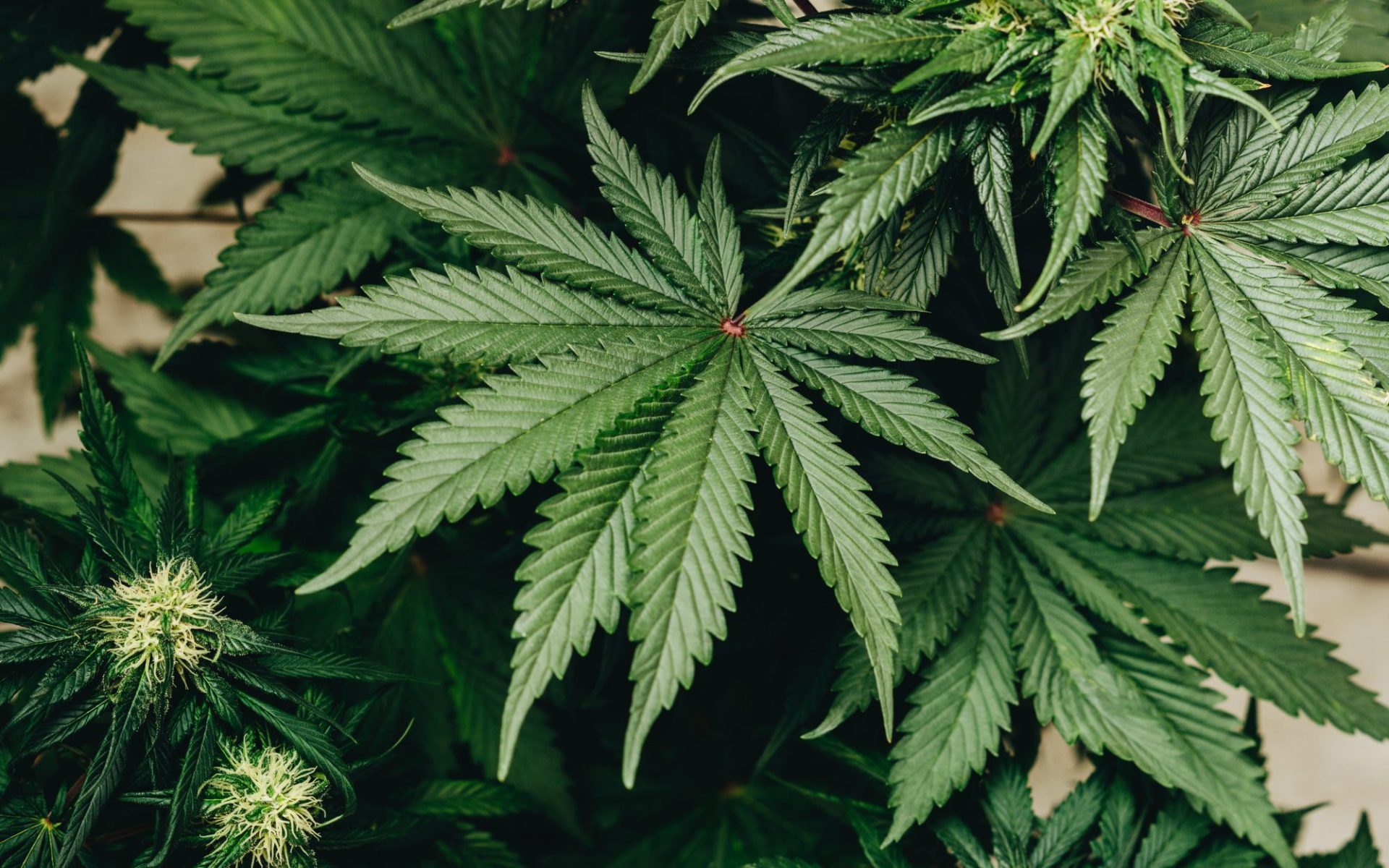
For years, the public conversation surrounding cannabis has focused heavily on legalization, commercialization, and its perception as a natural, low-risk remedy for stress. However, as cannabis dispensaries become a standard fixture in cities across the globe, mental health professionals, public health experts, and pediatricians are sounding an urgent alarm.
The cannabis of today is vastly different from the plant consumed a few decades ago. With product potencies skyrocketing and consumption methods diversifying into highly concentrated vapes, edibles, and dabs, the impact on the highly vulnerable adolescent brain is becoming increasingly apparent.
Landmark longitudinal data published in 2026 has provided new insight into the impact of cannabis use on the adolescent brain. In short, adolescent cannabis use is strongly linked to a significantly increased risk of developing severe, life-altering psychiatric disorders by young adulthood.
The 2026 Paradigm Shift: The JAMA Health Forum Study
To understand the scope of the risk, we must look at the data that emerged in early 2026. A massive, rigorously designed cohort study published in JAMA Health Forum tracked 463,396 adolescents aged 13 to 17 through to age 26. Conducted by collaborative researchers from Kaiser Permanente, the Public Health Institute, UCSF, and USC, the study utilized universal screening data from routine pediatric visits spanning 2016 through 2023.
What makes this study uniquely powerful is its ability to map the timeline of substance use versus psychiatric onset. On average, adolescents reported past-year cannabis use 1.7 to 2.3 years before receiving any official clinician-diagnosed psychiatric disorder. Even after the statistical models strictly adjusted for sociodemographic factors, socioeconomic deprivation, alcohol consumption, other substance use, and pre-existing mental health symptoms, the findings remained stark:
- Psychotic Disorders: Adolescents who used cannabis faced double the risk of developing a permanent psychotic disorder, such as schizophrenia.
- Bipolar Disorder: The risk of developing bipolar disorder—characterized by debilitating, alternating episodes of mania and clinical depression—was also doubled.
- Depressive Disorders: Past-year adolescent cannabis use was tied to a 34% higher risk of incident depression.
- Anxiety Disorders: Exposed youth experienced a 24% higher risk of developing severe anxiety disorders by their mid-twenties.
As lead author Kelly Young-Wolff, PhD, from the Kaiser Permanente Division of Research noted, the study effectively isolated cannabis exposure during this key window, solidifying evidence that adolescence is a uniquely dangerous time to introduce the drug to the central nervous system.
Why the Teen Brain is Exceptionally Vulnerable
Because the human brain continues to develop until roughly age 25, the use of cannabis can alter how the brain is wired. Repeated cannabis use by teenagers alters the part of the brain that is responsible for executive functioning, impulse control, emotional regulation, and higher-order judgment.
A 2026 landmark neurocognitive study from UC San Diego (Adolescent Brain Cognitive Development (ABCD) Study) analyzed over 11,000 children over seven years of continuous tracking. The researchers discovered that teens who began using cannabis exhibited restricted growth in cognitive development compared to their sober peers. The rate of progress in memory retention, processing speed, focus, and verbal recall slowed down dramatically. Most notably, the worst memory test scores belonged to adolescents whose biological hair samples verified direct, heavy exposure to THC.
High Potency and the Reality of Cannabis Use Disorder (CUD)
A primary driver behind the surge in adolescent psychiatric diagnoses is the sheer strength of modern cannabis products. Decades ago, natural cannabis contained an average THC concentration of about 4%. Today, standard retail cannabis routinely exceeds 20% to 30% THC, while concentrated vape cartridges, waxes, and dabs are engineered to hit concentrations between 80% and 90% THC.
This hyper-potent market has fueled a parallel rise in Cannabis Use Disorder (CUD) among youth. Research from Johns Hopkins University published in March 2026 highlighted a deeply worrying trend: adolescents age 17 and under who develop CUD face a vastly higher trajectory toward severe mental illness than adults with the exact same disorder.
| Psychiatric Condition | Relative Risk Increase in Teens with CUD (vs. Other Substance Use Disorders) |
|---|---|
| Schizophrenia | +52% Higher Risk |
| Recurrent Major Depression | +30% Higher Risk |
| Anxiety Disorders | +21% Higher Risk |
Conversely, adults diagnosed with CUD did not show the same elevated vulnerability when compared to adults abusing other substances. This further highlights the risks that teenagers face from cannabis use.
A Wake-Up Call
The latest research continues to highlight the impact that cannabis use has on the developing adolescent brain. As a parent, if you see signs of cannabis use by your teenager, don’t ignore it. Educate them about the risks and get them help when necessary.
New Dimensions Can Help!
New Dimensions provides intensive outpatient mental health and substance abuse programs for adolescents and adults in the Greater Houston Area. To learn more about how we can help, contact us at 800-685-9796.
(Article Reviewed and Approved by Randy Brazzel, MA, LPC, LMFT)